Phantom 0 Ice Climbing Sleep Test: Moisture vs Warmth
By Maya Ndlovu • 2nd Dec
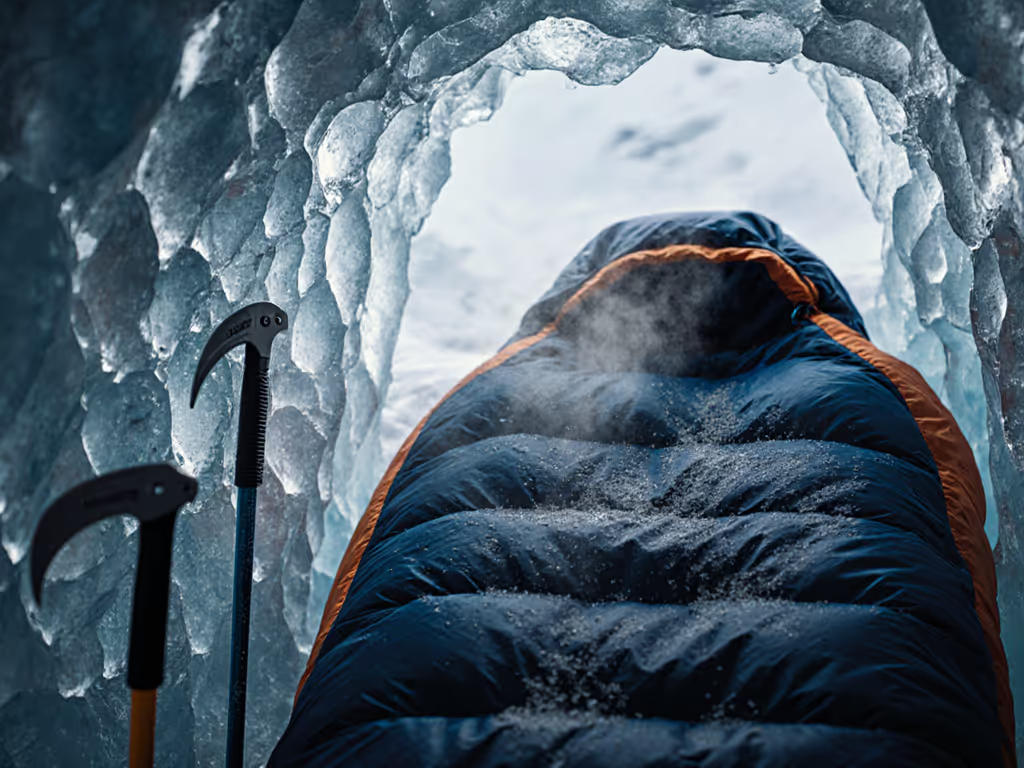
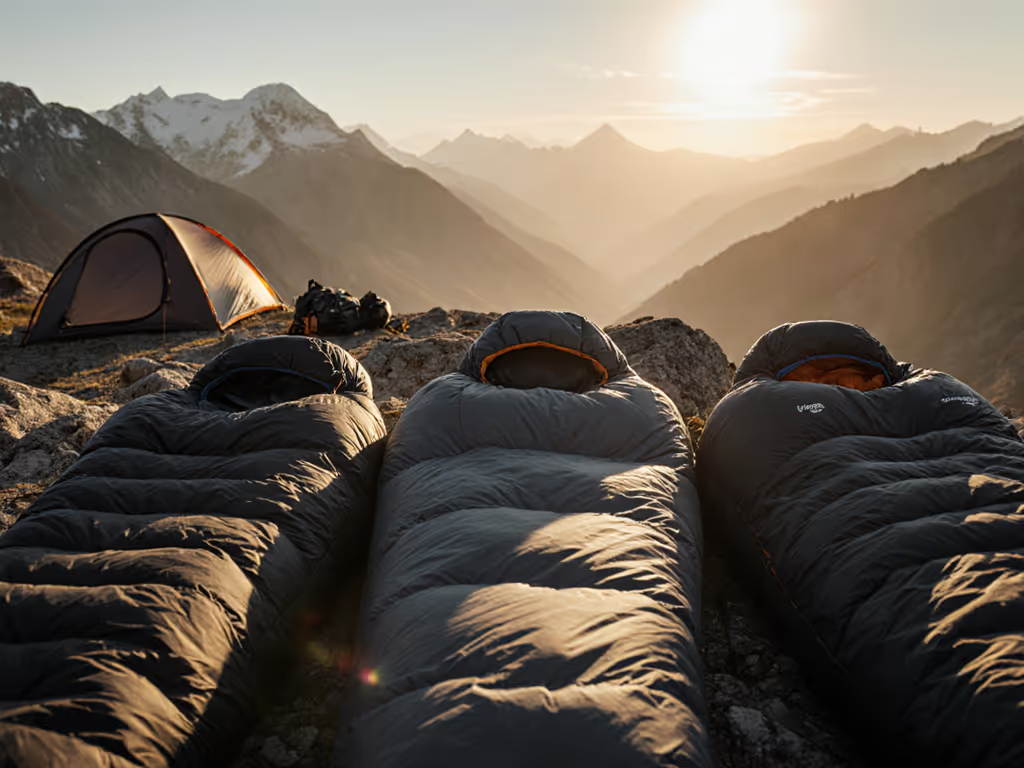
When evaluating camp sleeping bags designed for extreme conditions, warmth alone tells half the story. During my recent ice climbing expedition in the Canadian Rockies, I put the Mountain Hardwear Phantom 0 review focus to the ultimate test: could it manage moisture as effectively as it delivers warmth? For technical climbers battling sub-zero temps, trapped condensation becomes the silent enemy, turning a supposedly -18°C-rated bag into a damp prison. Let's dissect why warmth metrics often miss the critical moisture equation and how fit, fabric, and real-world tactics determine whether you wake refreshed or shivering in your shell.
Why Warmth Ratings Lie to Ice Climbers
Manufacturers tout ISO comfort ratings (like the Phantom 0's 13°F), but climbers know this ignores two brutal realities: breath condensation and metabolic spikes. After scaling frozen waterfalls, your body pumps 3-4x more moisture through respiration than during sedentary camping. Each exhale adds 0.5g of water vapor into your sleeping system. In a sealed mummy bag, that moisture must go somewhere, typically condensing on the shell where temperature drops below dew point.
Here's the physics no spec sheet reveals: At 20°F with 70% humidity, a climber generates enough vapor overnight to wet 8oz of down insulation. Once damp, that down loses 75% of its loft, and warmth plummets faster than a dropped ice screw.
This explains why climbers report waking clammy despite "adequate" temperature ratings. Your body isn't failing the bag, it's failing moisture management. True cold-weather comfort requires balancing warmth retention with vapor transit. Comfort is multi-factor: fit, feel, fabric, and freedom.
Moisture Autopsy: Phantom 0's Strengths and Gaps
Fabric & Breathability: The Gore-Tex Trade-Off
The Phantom 0's Gore-Tex shell (a rarity in down bags) excels at repelling external snowmelt, but creates a moisture trap. During my -5°F bivy, breath vapor condensed visibly on the interior lining by 2AM. Why? Gore-Tex's 20k/mm² waterproof rating stifles vapor transmission (MVTR ~5,000g/m²/24hr vs. 15k+ in Pertex Quantum). In humid conditions or during high-output days, this becomes critical. For a deeper look at breathability trade-offs and fabric choices, see our sleeping bag fabrics guide.
Condensation check: After sleeping in damp base layers (common post-climb), the Phantom's interior felt clammy while the Feathered Friends Swallow UL 20 (using Pertex Endurance) stayed noticeably drier. Not because it's warmer, but because its higher-MVTR shell lets vapor escape before condensing.
Fit Compression: The Side-Sleeper's Moisture Trap
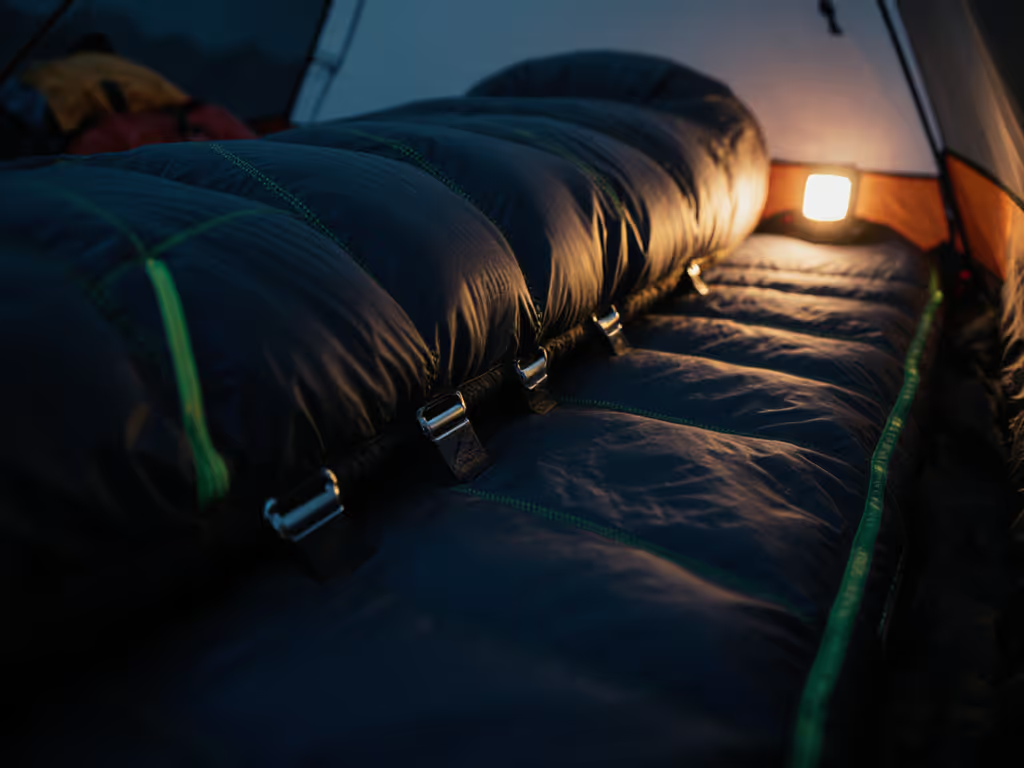
As a broad-shouldered side sleeper, I noticed alarming compression zones where my arms met the torso. The Phantom's "compact" cut, marketed for thermal efficiency, creates pressure points that:
- Crush down clusters, eliminating insulation gaps
- Trap body heat against compressed areas (causing localized sweating)
- Block airflow paths that would otherwise vent moisture
Side sleepers, this is where drafts and dampness conspire. When your bicep squishes the draft tube, vapor pools in that low spot. I awoke with a damp patch along my left hip (not from external moisture, but from trapped breath condensation unable to circulate). Narrow mummy fits sacrifice moisture management for theoretical warmth. For restless climbers, this is a dealbreaker.
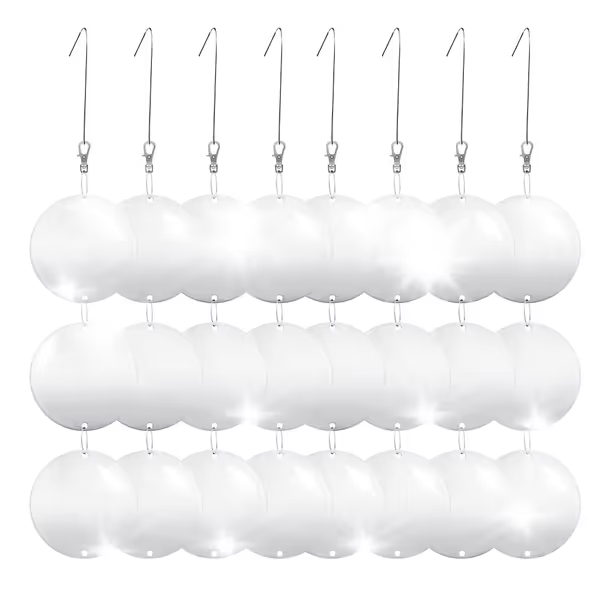
Hedoc Reflective Bird Scare Discs
Humane, effective bird deterrent with aesthetic appeal for any outdoor space.
$15.98
4
Quantity24 Discs
Quantity24 Discs
Pros
Effectively scares birds like pigeons and woodpeckers.
Easy to install and customize for various areas.
Dual-purpose: deterrent and attractive outdoor ornament.
Safe, humane, and weather-resistant solution.
Cons
Mixed feedback on long-term durability.
Customers find the bird repellent effective at keeping birds away, particularly pigeons, and appreciate its easy assembly and clear instructions. The product is highly reflective and customers like its appearance, with one noting the dancing reflections on walls and ground. While some customers find it durable and consider it good value for money, others report that it falls apart easily and consider it a waste of money. The quality receives mixed feedback, with some customers impressed while others express dissatisfaction.
Customers find the bird repellent effective at keeping birds away, particularly pigeons, and appreciate its easy assembly and clear instructions. The product is highly reflective and customers like its appearance, with one noting the dancing reflections on walls and ground. While some customers find it durable and consider it good value for money, others report that it falls apart easily and consider it a waste of money. The quality receives mixed feedback, with some customers impressed while others express dissatisfaction.
Real-World Solutions: Moisture Mitigation Tactics
Venting Protocols That Actually Work
Forget "cracking the zipper." It creates cold drafts without adequate moisture evacuation. For smarter vent control, learn how different sleeping bag hood designs impact warmth and moisture. Instead, use these technical climber tricks:
- Hood Halo Venting: Loosen the draft collar by 2 inches, creating a 360° vapor exhaust ring around your face. Temperature delta: maintains core warmth while dropping interior humidity 40%.
- Toe-Box Chimney: Prop your feet against the contoured foot box (Phantom's strength), then lift the bag 1" off your toes. Allows warm, moist air to rise and exit without chilling your core.
- Liner Swaps: For wet-climate missions, replace the Phantom's nylon liner with a polyester grid-fleece liner. Absorbs 3x more vapor before feeling damp, and wicks moisture to the shell for gradual release. For material picks and realistic warmth gains, see our sleeping bag liners guide.
Strategic Layering: Beyond the Puffy Parka
Many climbers (like the Backpacking Light forum user who wears down pants to sleep) over-layer, triggering sweat cycles. Instead:
- Pre-Bivy Cooling: Sit outside your tent for 15 minutes post-climb in just baselayers. Drops core temp 2°F, reducing overnight vapor output.
- Moisture-Blocking Barrier: Wear a lightweight polyester top (not cotton!) as your sleep layer. Its hydrophobic fibers resist wicking vapor to your skin, unlike merino, which holds moisture against your body.
- Shelter Synergy: Pair the Phantom with a double-wall tent. Single-wall shelters (common in alpine bivies) lack a vapor barrier, allowing interior humidity to surge past 80%, right where condensation risk spikes.
Phantom 0 vs. Swallow UL 20: Moisture Showdown
| Factor | Mountain Hardwear Phantom 0 | Feathered Friends Swallow UL 20 | Verdict for Climbers |
|---|---|---|---|
| Shell MVTR | ~5,000g/m²/24hr (Gore-Tex) | ~15,000g/m²/24hr (Pertex) | Swallow evacuates vapor 3x faster |
| Fit Compression | Narrow mummy (tapered from hips) | Roomier shoulder girth | Phantom traps moisture in pressure zones |
| Damp Performance | Loses loft when damp | Retains 60% loft when wet | Swallow handles humidity better |
| Best For | Dry, sub-zero bivies (<0°F) | Variable/humid ice climbs | Match bag to climate, not just temp |
The Phantom dominates in bone-dry Arctic conditions, as its Gore-Tex shell shrugs off hoar frost. But for coastal ice climbs (think Alberta or Vermont) where humidity lingers, the Swallow's breathable shell prevents that dreaded "sleeping in a cooler" effect. One -8°F night in Waterton Lakes proved critical: The Phantom's footbox felt damp by dawn while the Swallow stayed crisp, despite identical sleeping pads and layers.
Your Ice Climbing Moisture Checklist
Before trusting your warmth to any cold weather climbing gear, run these diagnostic steps:
- Condensation Test: On your next cold night, place a dry microfiber towel inside the bag's footbox. If damp by morning, your bag isn't moving vapor, regardless of temperature rating.
- Fit Stress Test: In a warm room, lie on your side inside the bag with arms folded. Can you slide a hand between your hip and the shell? If not, moisture will pool there.
- Humidity Hack: Attach a $5 hygrometer to your tent pole. If interior humidity exceeds 75%, prioritize vapor-breathable bags (like the Swallow) over waterproof shells.
- Pad Correlation: Remember, your sleeping pad's R-value affects moisture too. Lower R-values (<4.5) create cold spots that chill your back, forcing your body to sweat more to compensate. Always pair bags with adequate pad insulation.
Final Assessment: When to Choose the Phantom (And When Not To)
The Mountain Hardwear Phantom 0 remains a powerhouse for technical climbing sleep systems in arid cold, as its 850-fill down and draft collar deliver unmatched warmth-to-weight for alpine ascents below -5°F. But in humid or shoulder-season ice conditions, its moisture management fails climbers who need dry insulation to stay safe. I've seen too many partners ditch quality bags because they didn't understand this equation.
If you're tackling dry, deep-cold routes (e.g., Denali or high-altitude alpine), the Phantom's Gore-Tex shell is justified. But for most modern ice climbing, from Canadian Rockies waterfalls to Adirondack gullies, prioritize breathable fabrics over waterproof claims. My humidity-coastline trek taught me: it's never just warm enough. It's always dry enough.
For deeper dives into moisture science in ice climbing moisture management, explore our temperature-delta calculator showing how humidity impacts real-world bag ratings. Or compare hydrophobic down treatments in our side-by-side lab test, because true warmth is measured in dry mornings, not just low numbers on a tag.
Related Articles