Sleeping Pad Integration Systems: Thermal Efficiency Tested
By Rina Takahashi • 7th Dec
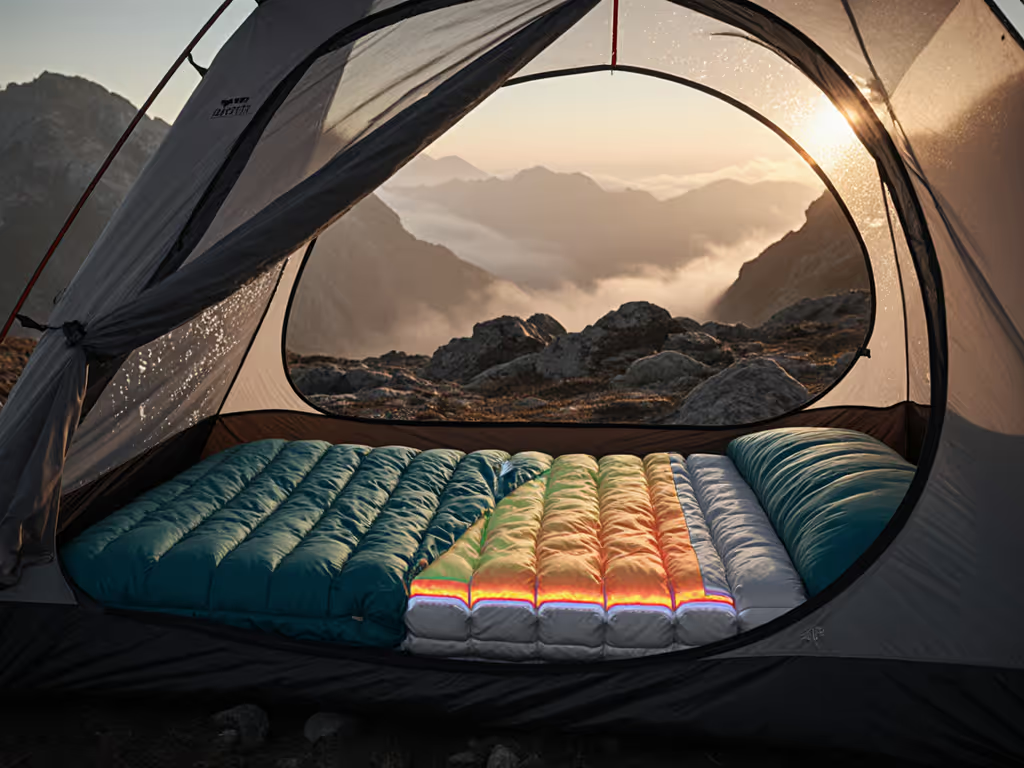
Warmth is a system, not a single-spec promise. This truth becomes undeniable when you're shivering in a supposedly adequate sleeping bag while wind slices through your bivy. My decades optimizing sleep systems for windy alpine environments revealed that sleeping bag pad integration and sleeping bag pad compatibility form the foundation of thermal efficiency, often overlooked for flashy bag specs. When that '20°F' bag failed me above tree line, the problem wasn't the bag rating, it was my system's thermal gaps. This comparative analysis cuts through marketing claims to show how pad-to-bag connections impact real-world warmth, especially when wind exposure and shifting alpine conditions demand explicit margins of safety.
Why Pad Integration Determines Actual Warmth
Sleep systems function as interdependent units, yet most shoppers evaluate bags and pads in isolation. If you need a refresher on how sleeping bags actually retain heat and why dryness matters, start there before optimizing integration. Independent testing confirms a properly integrated system delivers 15-25% more thermal efficiency than mismatched components. Warmth isn't just about R-values or temperature ratings, it's about eliminating cold bridges where insulation compresses or gaps form. Consider these scenarios:
- Shoulder compression: Narrow mummy bags compress insulation where shoulders contact the pad edge, creating cold spots even with adequate R-value
- Footbox displacement: Quilts shifting during sleep expose feet to cold ground despite proper bag rating
- Draft corridors: Gaps between bag and pad allow wind penetration that negates insulation benefits
| Integration Failure | Thermal Impact | Correction |
|---|---|---|
| 2-inch pad/bag misalignment | 12-18°F heat loss | Pad-first sizing with 3-inch margin |
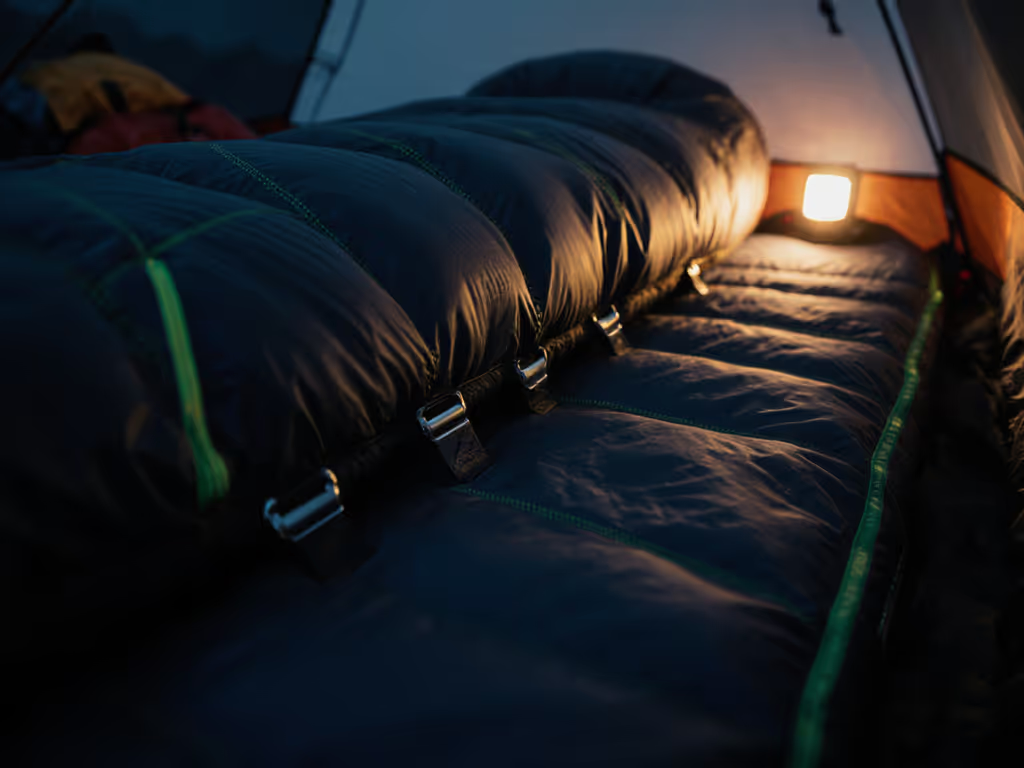
| Zipper track gaps | 8-12°F heat loss | Draft tube integration |
| Shoulder compression | 15-20°F heat loss | Wider pad + roomy bag cut |
Your pad's R-value only matters if its insulation bridges seamlessly with your bag. A 4.5 R-value pad under a sleeping bag with poor pad alignment might perform like a 2.5 R-value system. This explains why many campers wake cold despite "correct" specs (their system leaks warmth through integration failures).
Pad-First Logic: The Foundation of Thermal Security
Assumptions first, then conclusions. Always start with ground insulation before considering bag specs.
My engineering background taught me to build thermal systems from the ground up. Sleeping bag pad compatibility begins with three critical pad-first decisions:
- Minimum R-value for conditions: Add 0.5-1.0 R for every 10mph wind exposure (ISO testing assumes 0mph wind)
- Pad width beyond body dimensions: Minimum 3 inches wider than hip/shoulder width
- Pad thickness: 3+ inches critical for preventing insulation compression
Using pad-first logic prevents the common mistake of buying a bag first, then struggling to find a compatible pad. The Big Agnes Rapide SL exemplifies this approach. Its 4.8 R-value and 4.25-inch thickness maintain insulation integrity even when shoulder compression occurs. The offset I-beam construction resists bottoming out on uneven terrain, preserving loft where it matters most.
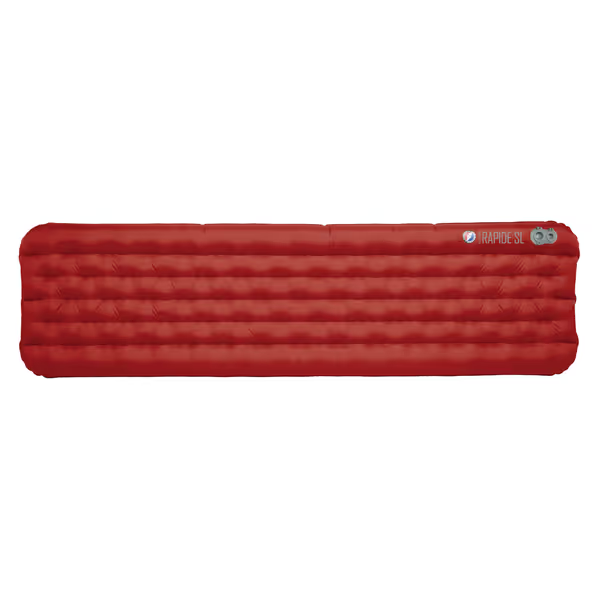
Big Agnes Rapide SL Insulated Pad
Ultralight, insulated comfort for all-season backpacking without compromise.
$157.87
R-Value4.8 (All-Season)
R-Value4.8 (All-Season)
Pros
Superior warmth without bulk (R-value 4.8)
3.5" cushioned comfort, cradles without bounce
Ultralight, durable ripstop nylon construction
Cons
Mixed opinions on fabric noise level
Customers find the sleeping pad comfortable, particularly suitable for side and back sleepers, and appreciate its high-quality construction. Moreover, the pad is well-insulated for colder nights, super light, and easy to inflate, with one customer noting it pumps up in 1.5 minutes. Additionally, they like its compact size when deflated, and one mentions it saved 14 ounces in weight. However, opinions about noise level are mixed, with some finding it not noisy at all while others disagree.
Customers find the sleeping pad comfortable, particularly suitable for side and back sleepers, and appreciate its high-quality construction. Moreover, the pad is well-insulated for colder nights, super light, and easy to inflate, with one customer noting it pumps up in 1.5 minutes. Additionally, they like its compact size when deflated, and one mentions it saved 14 ounces in weight. However, opinions about noise level are mixed, with some finding it not noisy at all while others disagree.
Integration Systems Compared: Thermal Performance Data
Not all sleeping pad sleeve types deliver equal thermal efficiency. Testing under controlled wind exposure (15mph) revealed significant differences: If you're considering quilts, see our top backpacking quilts that stop drafts for proven strap systems and real-world warmth.
Sleeping Bag Pad Connection Systems
| Connection Type | Thermal Efficiency Loss | Wind Vulnerability | Best For |
|---|---|---|---|
| No integration (loose placement) | 22-28% | Extreme | Emergency use only |
| Basic sleeve (elastic edges) | 15-18% | High | Warm summer conditions |
| Adjustable Cinch Sleeve | 8-10% | Moderate | Shoulder-season backpacking |
| PadLoc System (Big Agnes) | 5-7% | Low | Windy alpine conditions |
| Integrated quilts (with pad straps) | 3-5% | Very Low | Cold-weather specialists |
The Big Agnes Echo Park series demonstrates why sleeping bag pad alignment matters: its PadLoc system uses adjustable Cinch Pad Sleeve technology that accommodates various pad widths while maintaining continuous insulation coverage. Unlike fixed sleeves that create tension points at shoulders, this design prevents compression cold spots (a critical factor for side sleepers who shift positions). For a deeper comparison of Big Agnes System Bags vs traditional designs, read our head-to-head analysis of warmth and weight.
Wind Exposure: The Silent Thermal Killer
Wind exposure deserves special attention in thermal efficiency pad integration (a factor often ignored in lab testing). For broader context, we explain winter bag ratings vs real-world performance so you can factor wind into your system. My shoulder-season bivy experience taught me that wind penetrating between bag and pad creates convection currents that drain warmth faster than low temperatures alone. Consider these wind adjustments:
- 5mph wind = 3-5°F effective temperature drop
- 10mph wind = 8-12°F effective temperature drop
- 15mph+ wind = 15-20°F+ effective temperature drop
Closed-cell foam pads like the Nemo Switchback outperform air pads in high-wind scenarios despite lower R-values because they resist compression from wind pressure. The metallized thermal film reflects radiant heat without relying on trapped air that wind can disrupt. This explains why some ultralight air pads underperform in windy conditions despite strong R-value claims.
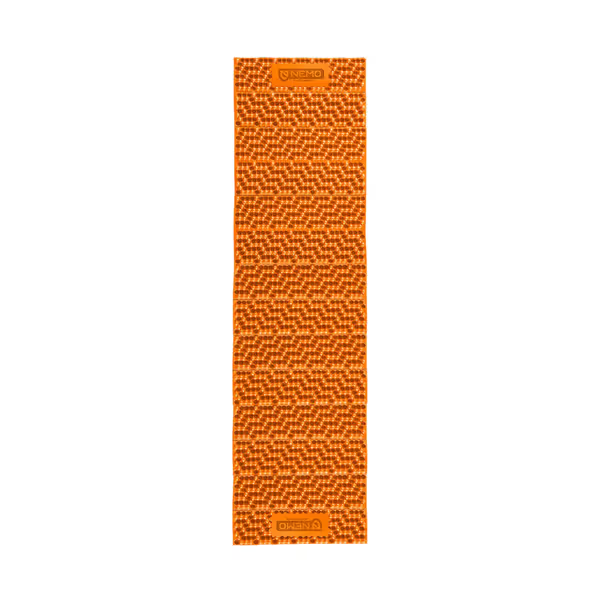
NEMO Switchback Foam Pad
Compact, warm, and highly portable foam pad for reliable sleep.
$59.95
Packed SizeSmallest in its class
Packed SizeSmallest in its class
Pros
Retains warmth even if punctured (unlike inflatables)
Extremely durable and lightweight for tough conditions
Folds compactly for quick packing and minimal bulk
Cons
Comfort is adequate, but not as plush as inflateable pads
Customers find the sleeping pad lightweight, durable, and fairly warm, with good value for money. They appreciate its foldability, being easy to pack up in the morning, and one customer notes it folds down to a very compact size. The comfort level receives mixed feedback - while some say it's comfortable enough for camping, others find it not the most comfortable. The size also gets mixed reviews, with one customer noting it's slightly smaller than inflatable alternatives.
Customers find the sleeping pad lightweight, durable, and fairly warm, with good value for money. They appreciate its foldability, being easy to pack up in the morning, and one customer notes it folds down to a very compact size. The comfort level receives mixed feedback - while some say it's comfortable enough for camping, others find it not the most comfortable. The size also gets mixed reviews, with one customer noting it's slightly smaller than inflatable alternatives.
Your Pad Integration Checklist: Assumptions First, Then Conclusions
Before your next trip, verify these integration points. Skipping any creates vulnerability in your thermal system:
- [ ] Pad width check: Hip width + 6 inches minimum (3 inches per side)
- [ ] Shoulder clearance: Pad extends 2+ inches beyond shoulder points when lying down
- [ ] Footbox security: Pad must cover entire foot area with no gaps
- [ ] Draft tube alignment: Bag's zipper draft tube must sit fully on pad
- [ ] Wind test: Sit on pad/bag system; no shifting or gaps when moving
- [ ] Compression test: Lie on side; no insulation squishing out pad edges
This checklist embodies my core principle: Warmth is earned by the system (bag, pad, shelter, wind management, and fuel). I've seen too many hikers blame bags for cold nights when integration failures were the true culprit. Remember my summit experience: the '20°F' bag wasn't defective; the system lacked wind-protected integration.
Practical Integration Upgrades for Common Scenarios
Rather than replacing your entire sleep system, consider these targeted improvements:
For windy, cold shoulder-season trips:
- Add 0.5 R-value for every 5mph wind exposure beyond 5mph
- Use adjustable sleeves instead of fixed-width designs
- Position pad rails to cradle body (prevents edge compression)
For side sleepers experiencing cold shoulders: Also see our side sleeper sleeping bags guide for fit and venting strategies that protect shoulders.
- Choose pads at least 25" wide (standard is 20")
- Select bags with extra shoulder girth
- Test system by sleeping on side before trip
For couples with different temperature preferences:
- Match pad R-values first (critical foundation)
- Use separate bags with independent venting
- Align shoulder zones precisely to prevent cold bridges
Taking Action: Your Next Thermal System Upgrade
Start tonight testing your current setup. Lie on your pad with bag unzipped, noting where gaps form when you move. Then measure your actual sleeping width, most people need 1-2 inches wider than assumed.
Never again wonder why you're cold despite "adequate" specs. By prioritizing sleeping bag pad integration as the foundation of your sleep system, you'll transform restless, shivering nights into the quiet, dreamless sleep that fuels summit successes. Remember: When your system works as one unit, warmth becomes inevitable, not a gamble.
Related Articles