Best Ultralight Sleeping Bags Under 20 oz for Appalachian Trail
By Sofia Petrovic • 21st May
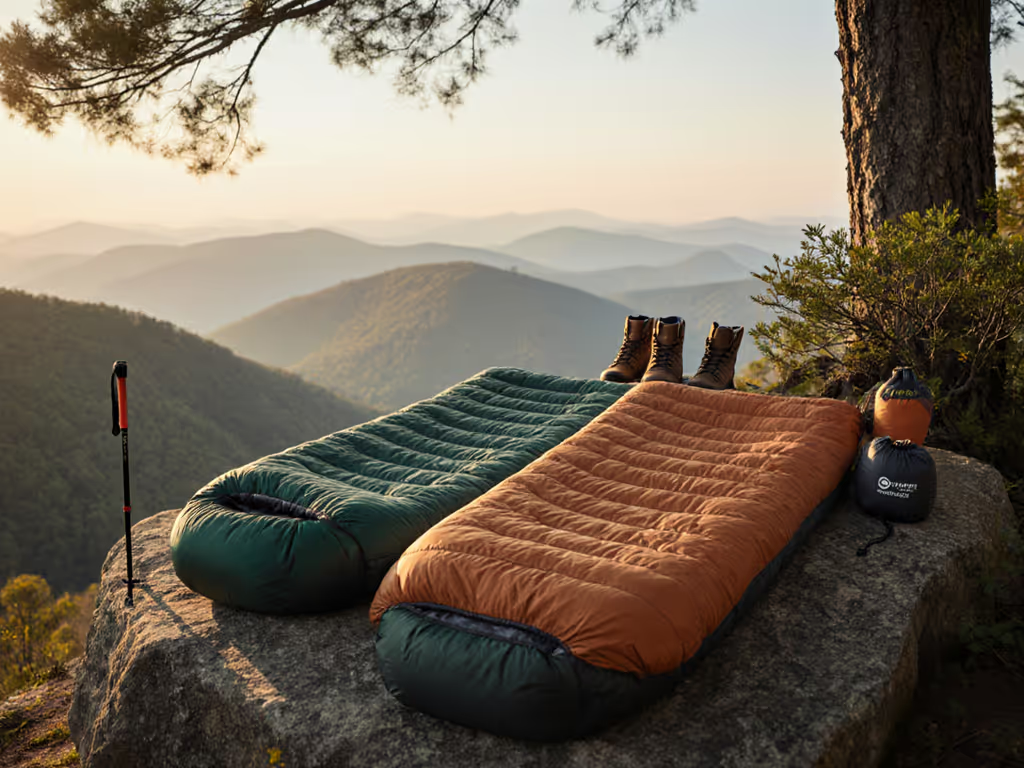
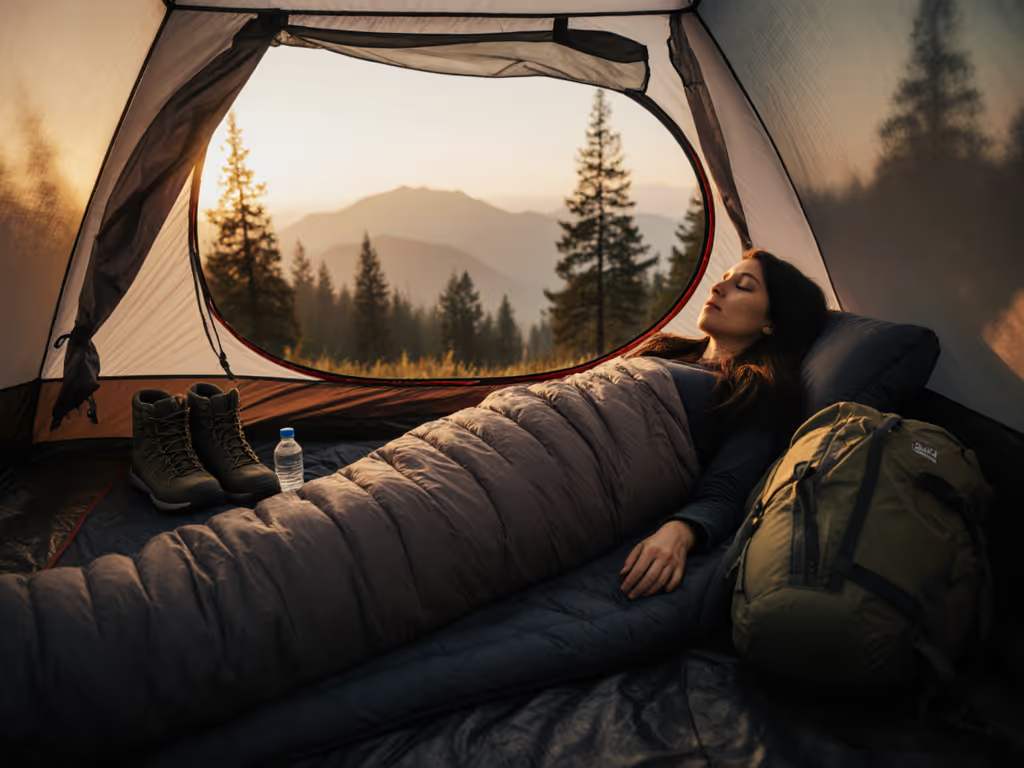
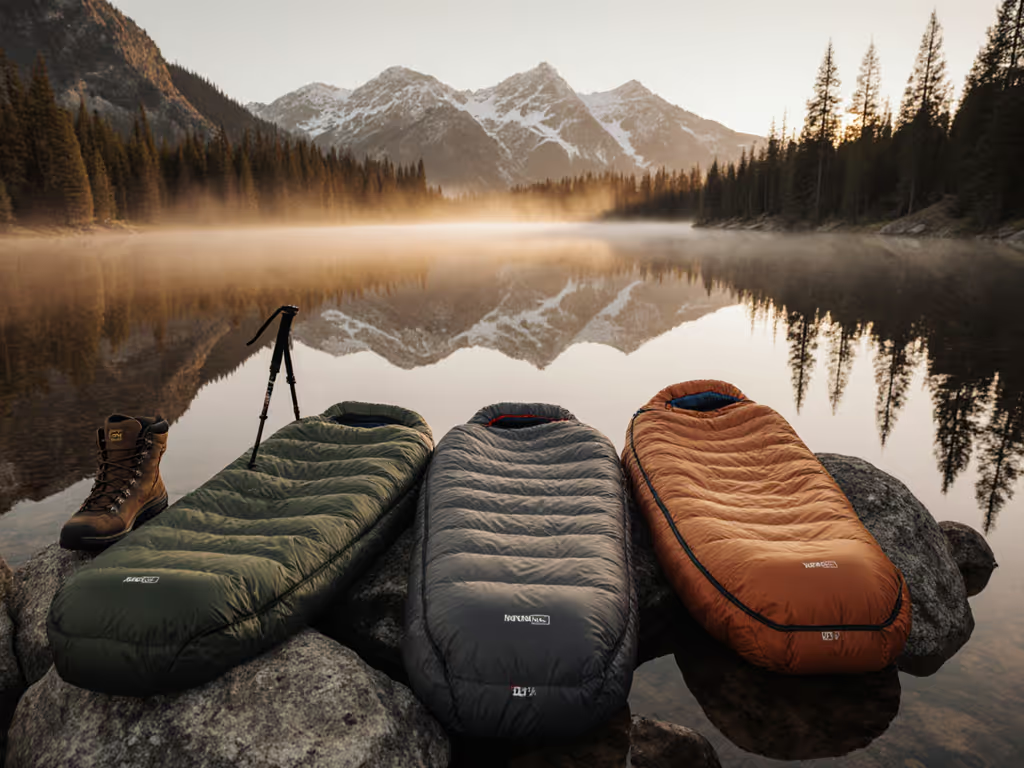
Ultralight sleeping bags are one of the most consequential choices you'll make for an Appalachian Trail thru-hiker sleep system. The wrong pick means shivering in Smokies shelters or carrying extra pounds you don't need. This guide narrows the field to the best sleeping bags and quilts under 20 oz that actually make sense for AT conditions, and gives you a simple framework so you can match one to your body, start date, and shelter.
Plan the night, not just the number on the tag.
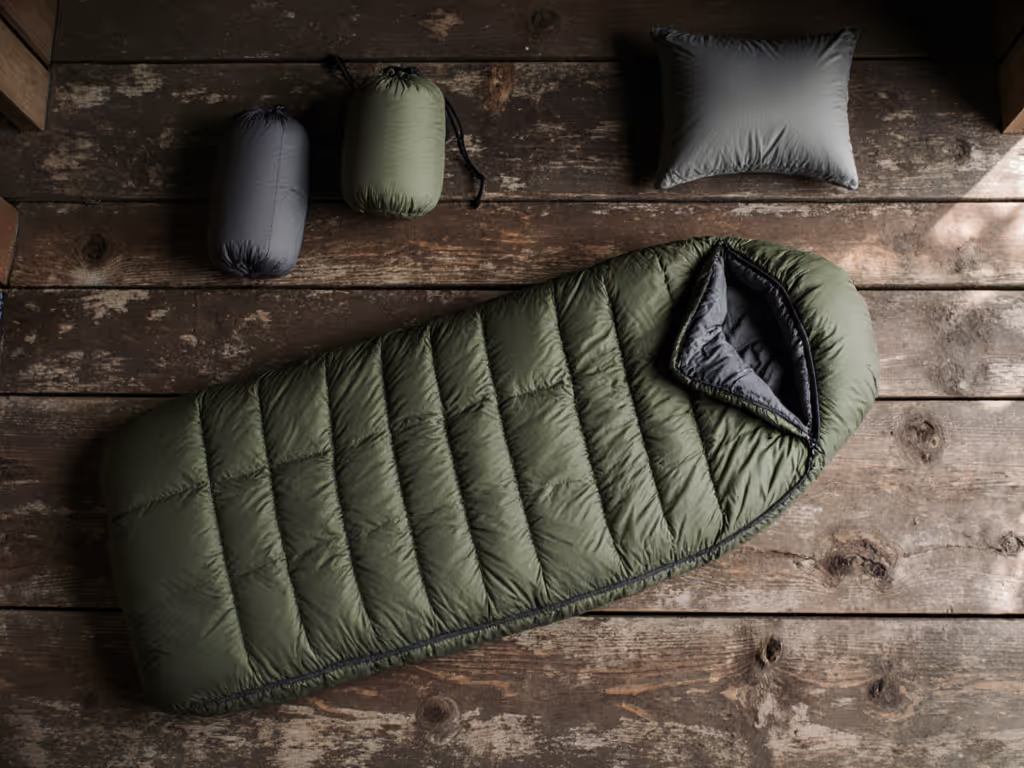
AT Sleep System Cheat Sheet (Before You Pick a Bag)
If you only remember one thing: your bag choice is only as good as the system around it. Under-20-oz bags are amazing, but they are less forgiving of mistakes.
The 5-Question AT Sleep Checklist
Before looking at models, answer these in a notebook:
- Coldest realistic night on your section?
- Early NOBO (Feb-Mar): expect single digits F in the Smokies on a bad night, high teens more typical.
- Classic NOBO (Apr): mid-20s F into the 30s.
- SOBO (Jun-Jul start): usually 30s-40s, occasional 20s at elevation in shoulder seasons.
- Shelter type most nights?
- Mostly three-season tent (double wall, low drafts)
- Single-wall/non-freestanding (more condensation risk)
- AT shelters / hostels often, tent only sometimes
- Pad R-value?
- R < 3: too cold for most AT shoulder season, even with a warm bag.
- R 3-4: fine for late spring-early fall.
- R >= 4.5: what I recommend for 20s F on the AT.
- Your sleep profile?
- Hot / average / cold sleeper
- Side, back, or restless roller
- Moisture exposure?
- Frequent shelters, humid forest, single-wall tent = higher condensation risk.
- Mostly tenting on good sites, careful venting = lower risk.
A Simple AT Rating "Calculator"
Use this heuristic as a starting point for lightweight sleeping bags for backpacking on the AT: If ratings still feel fuzzy, see our EN/ISO warmth translation guide for how lab numbers map to trail nights.
-
Average sleeper, double-wall tent, R 4.5 pad -> Bag/Quilt comfort rating ≈ 10 F colder than your expected low.
-
Cold sleeper OR lots of shelter nights -> Go 15 F colder than your expected low or prioritize a bag with a beefier draft collar and better hood.
-
Warm sleeper, mostly summer conditions (lows > 35 F) -> Match comfort rating to expected low and rely on venting.
Here's your buffer for messy weather: add 5 F of margin if you're new to reading ratings, and don't count on extra clothing or a liner to "fix" an undersized bag.
Key AT Constraints for Ultralight Bags Under 20 oz
- Humidity and condensation: Expect damp forest, fog, and condensation on shelter roofs. Favor moisture-resistant AT sleeping bags with good shell DWR and high-quality down, or synthetic blends if you start very early or are extremely risk-averse. Our humid-conditions field test of down vs synthetic shows how each performs when damp.
- Drafts in shelters: Quilts are fantastic, but you must take pad-attachment and fit seriously on the AT; those Smokies drafts will find every gap.
- Pad matters as much as the bag: Many cold bag stories I hear trace back to R 2-3 pads on 25 F nights. Think of your pad as the first 10 F of warmth.
I learned this the hard way on a winter hut trip years ago: I carried a heavy zero-degree bag but skimped on the pad. I sweated at midnight and froze by four. Since then my system is a little spreadsheet in my head: shelter + wind + ground + calories + margin. The right bag is just one line in that table.
With that framing, let's look at specific Appalachian Trail sleeping bag recommendations under 20 oz, and which hiker profiles they fit.
1. Sea to Summit Spark SpII - Best All-Round Mummy for Classic NOBO Starts
Type: Down mummy bag Weight: ~18-19 oz (regular length, standard fabric; varies by size) Manufacturer rating: around high 20s F (varies by generation/spec) Best for: Average sleepers starting late March-May, double-wall tent users, hikers who want zipper + hood security.
Why it works on the AT
The Spark series is built around high-fill-power down and very light shell fabrics, giving you:
- True sub-20-oz weight in many configurations
- A real hood and full-length zipper (depending on version) for colder nights
- Compressibility that makes your pack feel half empty
For an AT sleeper in a decent tent with an R 4-4.5 pad, the Spark SpII is a solid choice for:
- Comfort down into the high 20s F for average sleepers
- Safety margin into the mid-20s F if you add warm sleep clothes and eat well before bed
AT-specific pros
- Moisture handling: Sea to Summit uses treated down and a good DWR shell. This won't ignore a soaked shelter roof, but it buys time in humid, misty conditions.
- Fit: Slim but not coffin-tight; many side sleepers do fine. Try in person if you have broad shoulders.
Watch-outs
- Not ideal for very early NOBOs (Feb-early Mar) unless you are a warm sleeper and travel with a very warm pad and sleep clothes.
- Ultralight 7D/10D fabrics demand care around shelter nail heads and rough planks.
Who should pick this: You want a simple, proven mummy you can zip, cinch, and forget (no quilt learning curve), and you're starting in the milder half of thru-hiker season.
2. Therm-a-Rest Hyperion 20 - Warmest Sub-20-oz Option for Shoulder Seasons
Type: Down mummy bag Weight: About 20 oz in regular (check current spec; runs right at our cutoff) Manufacturer rating: 20 F class (ISO/EN tested in many versions) Best for: Cold sleepers, early NOBO or late-season section hikers who still want a truly ultralight bag.
Why it works on the AT
The Hyperion 20 is one of the rare ISO-rated bags hovering around 20 oz with a rating that low. Compared to many quilts, it offers:
- A tighter, thermally efficient mummy shape
- High down concentration on top, less underneath, assuming a good pad
- A design optimized for pairing with Therm-a-Rest's higher-R pads
On a double-wall tent + R >= 4.5 pad, you can realistically expect:
- Average sleepers: comfort around 25 F with good technique
- Cold sleepers: comfort closer to 28-30 F, with the 20 F rating acting as an emergency floor rather than a comfort number
AT-specific pros
- Great for early shoulder season: If you're leaving Springer early, this is a safer pick than a 30 F quilt at the same weight.
- Small packed size: Frees pack volume for real food on long sections.
Watch-outs
- Narrow cut: This can feel restrictive, especially for broad-shouldered or very restless sleepers (compressed insulation on the sides can erase the temperature advantage).
- Tall hikers should carefully choose the right size; don't size down to save weight.
Who should pick this: You're targeting extra warmth without leaving the ultralight category, you sleep in a tent more than shelters, and you don't mind a snug mummy.
3. Western Mountaineering Summerlite - For Warm Sleepers and Late Starts
Type: Premium down mummy bag Weight: ~19 oz (regular length) Manufacturer rating: low 30s F class Best for: Warm sleepers, April-June NOBOs or summer section hikers, hikers who prioritize durability and longevity.
Why it works on the AT
Western Mountaineering is famous for conservative, real-world ratings and top-tier construction. The Summerlite is often lighter than it feels because:
- The loft is very high for the rating
- The cut balances efficiency and wiggle room
- The bag tends to last through multiple long hikes if cared for
On the AT with a double-wall tent and R 3-4 pad, the Summerlite is a strong choice when expected lows are above freezing, with margin for surprise cold snaps.
AT-specific pros
- Durability: If you're worried about fragile ultralight fabrics on shelter floors and rough planks, this is a reasonable compromise between weight and robustness.
- Venting: Full zipper allows you to run it like a quilt on warm, humid nights.
Watch-outs
- Not enough for reliably comfortable nights in the low 20s F, especially if you're a cold sleeper.
- Price is high; you're paying for made-to-last quality.
Who should pick this: You're starting in milder temps, you run warm, and you'd rather buy once and use the same bag across many trips than chase half-ounces.
4. Enlightened Equipment Enigma 30 - Light, Simple Quilt for Confident Users
Type: Sewn-footbox down quilt Weight: Often 16-19 oz depending on length, width, and fabric Manufacturer rating: 30 F class (not ISO tested; cottage standard) Best for: Experienced or detail-oriented sleepers who want maximum versatility, especially side sleepers who hate tight mummies.
Why it works on the AT
Quilts shine on the AT because many nights are humid and warm, and the ability to vent freely is invaluable. If you’re deciding between styles, compare pros and cons in our sleeping bags vs quilts guide. The Enigma is one of the lightest mainstream options that still works in shoulder season when used correctly.
Strengths:
- No zipper, sewn footbox: Less to break, less weight.
- Customizable length/width: choose a wider size if you're restless or broad.
- Pairs well with high-R pads; you're not carrying insulated fabric under you that gets compressed.
With good pad attachment on an R 4+ pad, average sleepers often find this setup comfortable into the low-mid 30s F, with 20s F possible if all the other system pieces are dialed.
AT-specific pros
- Humidity management: Easy to throw a leg out, open the top, or wear it more like a blanket in sticky mid-Atlantic nights.
- Less fabric around your head and shoulders means fewer clammy-feeling surfaces.
Watch-outs
- Drafts: If you don't use the pad straps correctly (or choose too narrow a width), you'll fight side drafts in shelters.
- Head insulation: You must bring a good hooded puffy or separate down hood; there's no bag hood to save you.
Who should pick this: You like tuning systems, don't mind a small learning curve, and want a single quilt that can handle most of the AT via careful layering and pad choice.
5. Katabatic Gear Palisade 30 - Most Secure Quilt for Draft-Prone Sleepers
Type: Down quilt with advanced pad-attachment system Weight: Roughly 18-20 oz in typical AT-friendly sizes Manufacturer rating: 30 F class Best for: Cold- or average-temperature sleepers who want quilt versatility without sacrificing draft control.
Why it works on the AT
Katabatic's signature is their pad-attachment and differential cut, which helps the quilt wrap under you with fewer gaps.
Benefits on the AT:
- Excellent draft protection for shelters and breezy tent sites
- More bag-like feel than many quilts when cinched
- High-end down and efficient baffle layout for strong warmth-to-weight
With a solid R 4.5 pad and good technique, many hikers treat the Palisade 30 as a near-20 F system once you add warm base layers and a puffy.
AT-specific pros
- Great for side sleepers: The secure attachment lets you toss and turn without constantly re-tucking.
- Moisture handling: Premium shell fabric and down resist short bouts of dampness, though you still need daily airing.
Watch-outs
- Cost is high; this is a buy-once-cry-once piece.
- There is a learning curve to the pad-attachment; test it at home before Springer.
Who should pick this: You're drawn to quilts but nervous about drafts in AT shelters. You'll appreciate a design that keeps things tucked even when you roll around.
6. Cumulus Quilt 250 - Best Value Sub-20-oz Quilt (Especially for European Hikers)
Type: Down quilt Weight: Around 18-19 oz, depending on size Manufacturer rating: Cool-weather (exact figures vary; often positioned around the freezing mark) Best for: Value-focused hikers, EU-based thru-hikers flying in, and those who want a balance of quality and price.
Why it works on the AT
Cumulus has built a reputation around solid materials and simple designs at friendlier prices than many North American cottage brands.
Why it makes sense for the AT:
- Good 900-fill down and efficient baffles keep the quilt competitive in warmth-to-weight.
- Different length/width combos let you fine-tune fit without big weight penalties.
- Ideal for hikers who want under-20-oz but don't want to pay top-tier custom prices.
With a proper pad (R >= 4) and decent technique, this quilt works well for AT sections where lows hover around 30 F and above, with some buffer if you layer.
AT-specific pros
- Budget vs performance: Leaves money for a better pad, which often does more for warmth.
- Packability: Compresses small for international travel and resupply boxes.
Watch-outs
- Availability and shipping can be trickier from North America; plan ahead if you're timing delivery to a start date.
- Like most quilts, requires user skill to avoid drafts in shelters.
Who should pick this: You want a light, competent quilt that won't wreck your budget and you're willing to invest a bit of time dialing in fit and pad attachment.
7. Sea to Summit Flame FmII - Strong Choice for Cold-Sleeping Women Under 20 oz
Type: Women's-specific down mummy bag Weight: Often around 19-20 oz in regular sizes Manufacturer rating: High 20s F comfort (women's ratings tend to be closer to real-world comfort) Best for: Women and smaller-framed hikers who sleep cold but still want a genuinely light bag.
Why it works on the AT
Women's-specific designs like the Flame line redistribute insulation to where many women lose heat fastest: hips, feet, and torso. In practical terms for the AT:
- You get a truer comfort rating experience than many unisex bags
- The cut supports side sleeping better in the typical height/weight ranges it's sized for
- You can often stay sub-20 oz thanks to the efficient shape
Paired with an R 4-5 pad and a decent tent, many cold-sleeping women find this setup viable into the mid-20s F with appropriate layering.
AT-specific pros
- Ethical and performance-focused materials depending on configuration (check current specs).
- Hood and draft collar help stabilize temperature on windy ridgelines or in semi-drafty shelters.
Watch-outs
- If you're taller or broader than average for "women's" grading, you may need to size up or move to a unisex bag, which may push you just over 20 oz.
- As with other ultralight fabrics, treat it gently on shelter floors.
Who should pick this: You know you run cold, want a women's-specific cut, and are targeting a main-season AT window without extreme cold.
Turning Bags into a Real AT Sleep System
Picking the right ultralight sleeping bags under 20 oz is step one. Making them work on the AT is step two.
AT Climate Presets (Simple If/Then Guide)
Use these climate presets to connect your choice to reality.
Preset A - Early NOBO, Risk of Teens (Smokies), Single-Wall or Shelters
- If you're leaving in Feb-early Mar, consider:
- Bag/quilt: Therm-a-Rest Hyperion 20 or a warmer, slightly heavier 15-20 F bag, accepting 2-4 extra ounces.
- Pad: R >= 4.5 (this matters more than squeezing your bag under 20 oz).
- Shelter: Prefer double-wall or plan for more hostel zeros around cold snaps.
- Then consider swapping to a lighter quilt (Enigma 30, Palisade 30) once nights stabilize.
Preset B - Classic NOBO, Late March-April Start, Mostly Tent
- If your coldest nights are likely high 20s F:
- Bag/quilt: Spark SpII, Palisade 30, Enigma 30, or Cumulus Quilt 250.
- Pad: R 4-4.5.
- Shelter: Double-wall tent or well-pitched trekking-pole tent.
- Then you can carry 16-19 oz of insulation with confidence and good buffer.
Preset C - Late Spring / Summer Section, Lows Mostly Above 35 F
- If you're hiking May-Sep on mid-Atlantic or southern sections:
- Bag/quilt: Summerlite, Enigma 30 (run more like a blanket), Cumulus 250.
- Pad: R 3+ is usually fine.
- Shelter: Ventilation is king (focus on moisture management more than raw warmth).
Here's your buffer for messy weather: set your pad and shelter first, then choose a bag/quilt that's at least 10 F "warmer" on paper than the coldest temp you actually expect to see.
Moisture Management on the AT
Even the best sleeping bags struggle if they're soaked with condensation. Learn the science of staying dry with our sleeping bag moisture management guide.
Practical tactics:
- Air your bag daily: 5-10 minutes in morning sun or breeze, even on overcast days.
- Use a lightweight bivy or liner in shelters: Not for extra warmth so much as splash and drip protection from roofs and neighbors.
- Sleep clothes: Dry base layer top/bottom + dry socks = your sleep only kit. They help keep body oils off the down and add a small but real warmth bump.
Fit and Draft Control: System Details That Matter
- If you're a broad-shouldered side sleeper, prioritize wider quilts or roomier mummies like Palisade or Enigma in wide widths. A narrow cut wastes warmth by compressing insulation.
- For quilt users, train yourself on pad-attachment before you go. Spend a few nights at home on the floor solving drafts before they happen in a Smokies shelter.
- For mummy users, practice partial unzipping and venting so you don't wake up swampy and then chilled.
Actionable Next Step: Build Your Personal AT Sleep Plan in 10 Minutes
Let's turn this into a repeatable plan rather than a one-off decision.
- Write down your section or thru window and mark the realistically coldest week you expect.
- Look up typical lows for that section and month (mountaintop, not town), then subtract 10-15 F for your safety buffer.
- Note your pad and shelter: R-value and tent type. If your pad is under R 4 for cold sections, upgrade that before you obsess over another 1-2 oz in your bag.
- Choose your category:
- Need max warmth under 20 oz -> shortlist Hyperion 20, Palisade 30.
- Classic NOBO comfort and simplicity -> Spark SpII, Summerlite, Flame FmII (for cold-sleeping women).
- Want quilt versatility and minimal weight -> Enigma 30, Cumulus Quilt 250, Palisade 30.
- Test at home:
- Sleep outside or by an open window with your full system (pad, bag/quilt, clothes, tent) on a cold night that roughly matches your expected temps.
- Note where you got cold (shoulders, hips, feet) and adjust: width, pad straps, socks, or a slightly warmer bag if needed.
When this little scenario table becomes habit (shelter, wind, ground, calories, margin), packing your AT sleep kit stops feeling like a gamble and starts feeling like a ritual. That's the point: consistent, predictable sleep without overthinking every forecast.
Plan the night, not just the number on the tag, and your ultralight sleeping bags under 20 oz will feel like a precise tool, not a risky experiment, all the way from Springer to Katahdin.
Related Articles