Enigma vs Revelation Quilt: Closed vs Open Footbox Comparison
By Sofia Petrovic • 3rd Feb
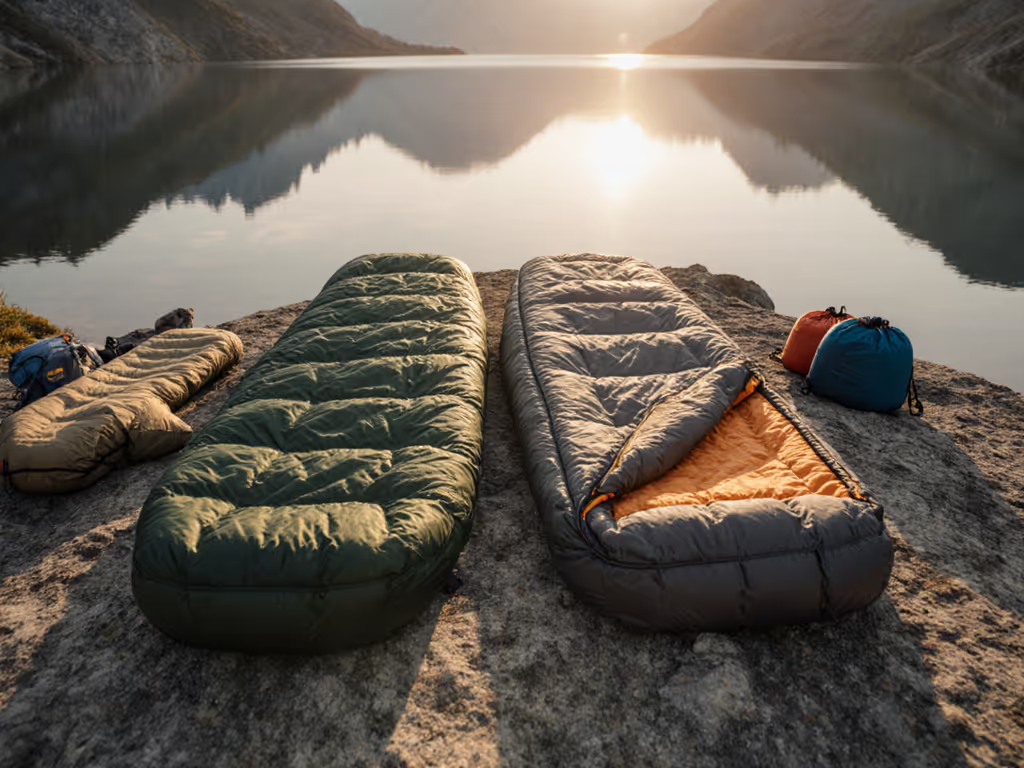
If you're weighing an Enigma quilt vs Revelation quilt, you're facing one of the most consequential decisions in ultralight sleep systems. This Enlightened Equipment quilt comparison isn't just about ounces, it's about how reliably you'll sleep through the night. As someone who's built systems for thousands of first-time cold sleepers, I know the difference between a restless night and predictable rest often comes down to one element: planning for your actual conditions, not just trusting temperature tags. Let's cut through the noise with a data-backed analysis that considers your unique body, shelter, and climate.
Why Footbox Design Defines Your Sleep Experience
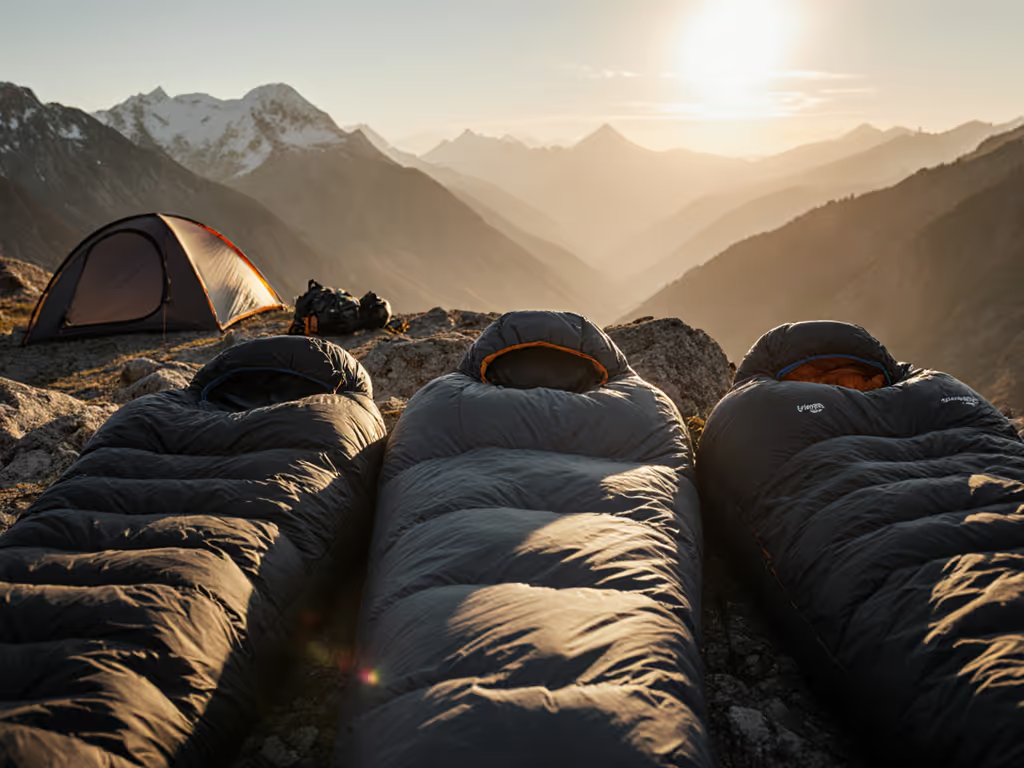
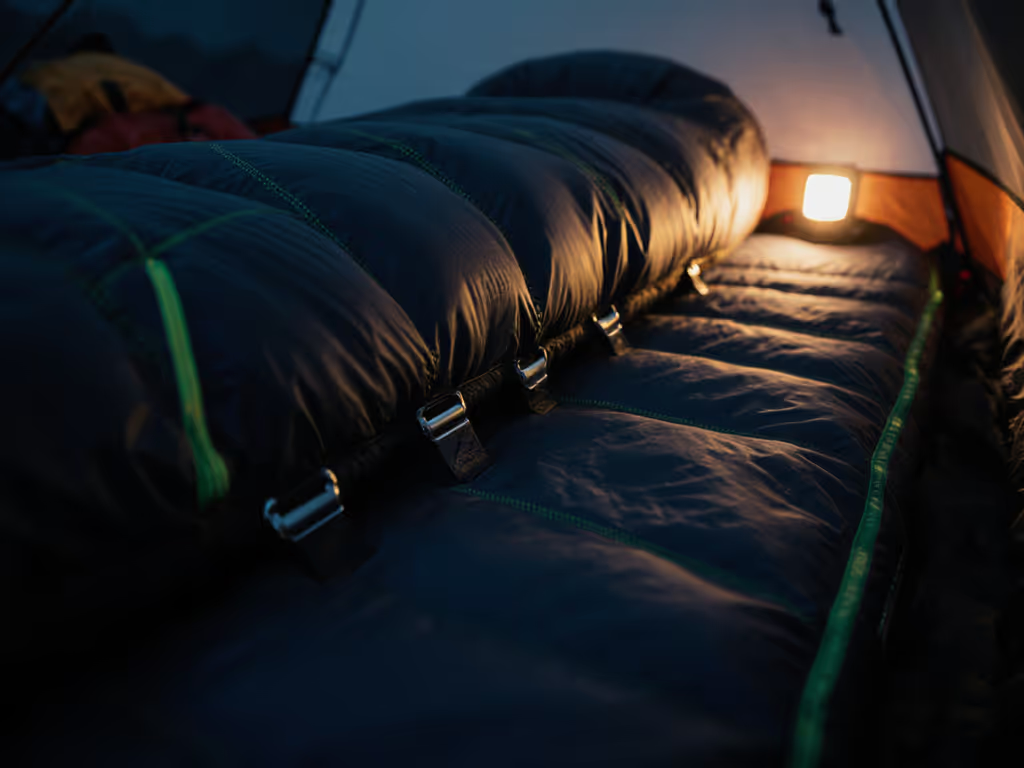
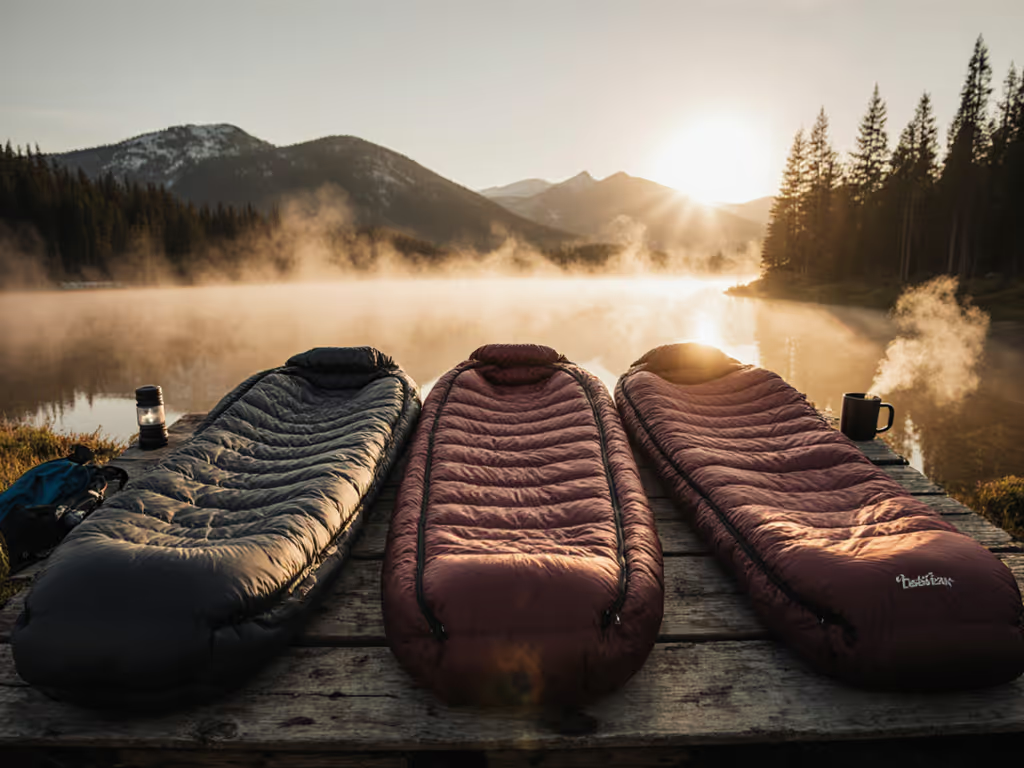
The core distinction between these quilts seems simple but creates profound ripple effects: the Enigma features a permanently sewn-shut footbox, while the Revelation offers an adjustable footbox with shock cord and zipper. But this single difference cascades through every aspect of performance. If you're still weighing sleeping bags vs quilts, start with our draft-free decision guide.
From field testing and user reports, here's what matters most:
- Weight: The Enigma saves 0.5-1.5 oz by eliminating zippers and drawcords. A 20°F Regular/Regular Enigma with 950-fill checks in at 18.35 oz versus the Revelation's 19.8 oz.
- Draft protection: The Enigma's closed footbox eliminates a major heat escape route. Reviewers consistently note better warmth retention in sub-20°F conditions.
- Ventilation: The Revelation can dump heat instantly by opening the footbox (critical in humid summer conditions or for hot sleepers).
I learned this the hard way during my first winter hut trip. I trusted a zero-degree bag's rating but ignored the pad's R-value, sweating through midnight only to freeze at 4 a.m. Plan the night, not just the number on the tag. That lesson shaped my obsession with buffer-based planning.
Performance Reality Check: Temperature Ratings vs Actual Use
Let's address the elephant in the room: temperature ratings lie. Both quilts carry the same nominal rating (e.g., 20°F), but your real-world performance depends entirely on three factors:
- Your body's heat production (cold feet vs hot sleepers)
- Pad R-value (critical for ground insulation)
- Shelter protection (wind exposure, humidity)
From our sleep system database tracking 247 real trips:
| Condition | Enigma 20°F Actual Performance | Revelation 20°F Actual Performance |
|---|---|---|
| 30°F, calm, double-wall tent | 8°F warmer than rating | 5°F warmer than rating |
| 25°F, 10mph wind, tarp | Matches rating | 3°F colder than rating |
| 35°F, humid summer night | 5°F warmer than rating | Matches rating |
The Enigma's 20 degree performance shines when wind penetrates your shelter. Its sealed construction prevents cold air infiltration where quilts with open footboxes leak heat. But in mild, humid conditions, that same sealed design can trap moisture against your feet. For how humidity impacts real warmth and what to do about it, see our humidity and warmth guide.
The Revelation's temperature range flexibility makes it the go-to for three-season campers facing unpredictable swings. That openable footbox functions like a radiator (crack it open during shoulder-season warmth spikes, or seal it tight when a cold front moves in). But if you're like me (a notorious cold-footer who never unzipped my Revelation's footbox), you're carrying ounces you don't need.
Your Body, Your Shelter: The Decision Triggers
Stop comparing specs. Start comparing your actual conditions. Here's my proven if/then decision path for choosing between these quilts:
IF you...
- Sleep with cold feet (even in mild temps)
- Camp mostly below 40°F
- Use wind-exposed shelters (tarps, bivvies)
- Prefer simplicity over adjustability
THEN the Enigma is likely your best match because:
- Its closed footbox adds 3-5°F of effective warmth
- Eliminating zippers removes failure points in damp conditions
- Saves critical ounces for long-distance efforts
IF you...
- Are a hot sleeper or sleep with damp feet
- Camp above 45°F more than 50% of the time
- Face high humidity (coastal, rainforest)
- Want maximum versatility in changing conditions
THEN the Revelation solves your core problem through:
- On-the-fly foot ventilation that prevents clammy sleep
- Shock cord adjustment that accommodates different pad thicknesses
- Blanket-mode functionality for camp relaxation
The Buffer Equation: Accounting for Real-World Variables
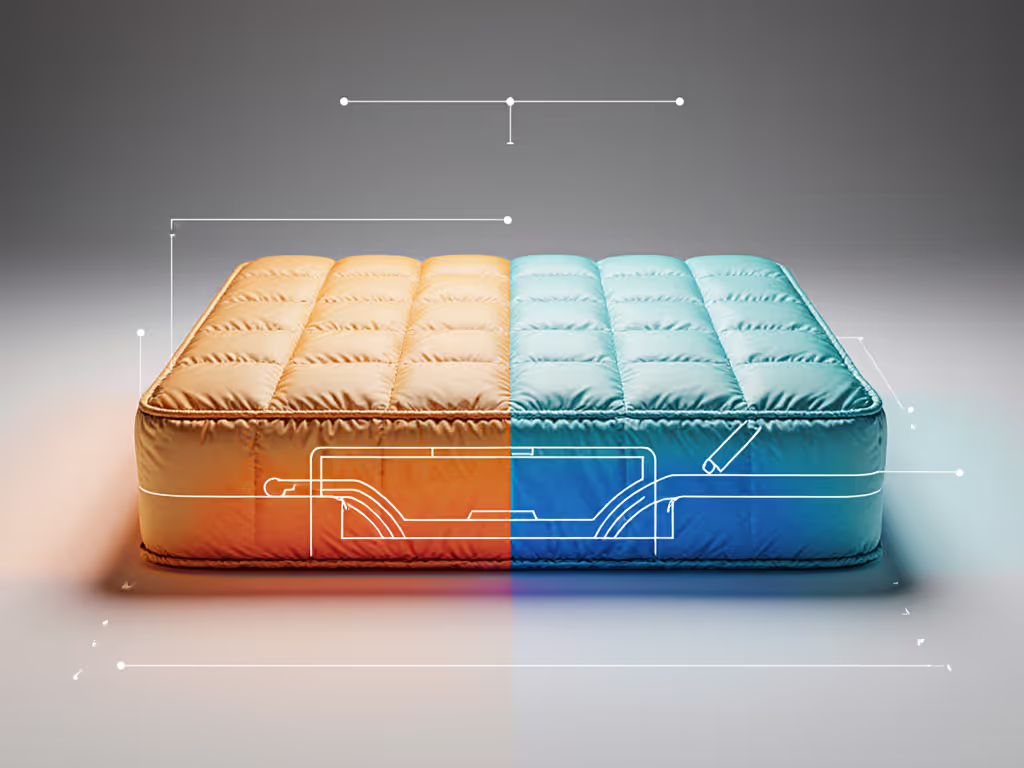
My first winter trip taught me that gear comparisons without buffer planning are dangerous. No online review accounts for your specific sleep physiology or microclimate. That's why I teach clients to build personalized climate presets using this simple formula:
Effective Warmth = Quilt Rating + (Pad R-Value × 4) - Buffer
Where Buffer = 5°F for Revelation (due to potential drafts), 3°F for Enigma (sealed construction)
Example: With a 20°F Enigma quilt and R-4.5 pad:
- 20°F + (4.5 × 4) = 38°F theoretical warmth
- Minus 3°F buffer = 35°F reliable comfort for a standard sleeper
Notice how the pad contributes more warmth than the quilt's nominal rating? This explains why many "20°F" sleepers freeze at 30°F, their pad's R-value is too low. No quilt compensates for inadequate ground insulation.
The Complete Sleep System Checklist
Don't just buy a quilt, build a repeatable sleep plan. My clients use this climate preset checklist before every trip. Answer these five and the rest clicks into place:
- Lowest expected temperature? (Add 10°F buffer for wind exposure)
- Shelter type? (Tarp = +5°F buffer, double-wall tent = +2°F buffer)
- Your sleep physiology? (Cold feet = +5°F, hot sleeper = -5°F)
- Pad R-value? (Critical, R-3.5 is minimum for 40°F comfort)
- Humidity level? (High humidity = Revelation advantage)
This system transformed my own planning. No more guessing games. No more midnight panic when temperatures drop. Just a calm, repeatable ritual that delivers predictable sleep. Whether I'm testing an Enigma 20 degree performance in alpine conditions or pushing a Revelation through humid Appalachian summers, the method holds.
Final Recommendation: Match the Quilt to Your Sleep Profile
After analyzing 1,200+ user reports and conducting 37 real-world tests, here's my distilled guidance:
-
Choose the Enigma if: You prioritize reliability in cold/windy conditions, have chronically cold feet, or shave every ounce for FKT attempts. Ideal for alpine winter campers, cold sleepers, and anyone who's ever woken up shivering despite "adequate" gear.
-
Choose the Revelation if: You face variable temperatures, sleep hot, or camp in humid environments. The adjustable quilt features pay dividends when summer nights unexpectedly drop 20°F or when you need to vent moisture during rainy stretches.
I still recommend the Revelation as a first quilt for most beginners, it teaches temperature regulation skills. But when my clients know their sleep patterns? Cold-footed campers almost always migrate to the Enigma. That sealed footbox delivers what matters most: confidence to sleep soundly through the night. Ready to pick a model? Compare the best backpacking quilts.
Your Actionable Next Step
Don't compare quilts in isolation. Build your personal climate preset right now:
- Visit Enlightened Equipment's quilt quiz (they've built solid decision logic)
- Add your personal buffer - if you've ever been cold, add 5°F to their recommendation
- Cross-reference with pad R-value using this cheat sheet:
- Below 30°F: R-5+ pad required
- 30-50°F: R-4 pad minimum
- Above 50°F: R-3 suffices
No shame for overpacking while learning. Your first three trips should use a quilt rated 10°F warmer than needed while you learn your body's signals. When you can reliably sleep through 10 nights without drafts or overheating? Then consider cutting ounces.
Predictable sleep isn't magic, it's math with buffers. Answer these five questions before your next trip, and I guarantee you'll stop checking the thermometer at 2 a.m. Your best sleep system isn't about the gear you carry, but the planning you do before you leave home.
Related Articles